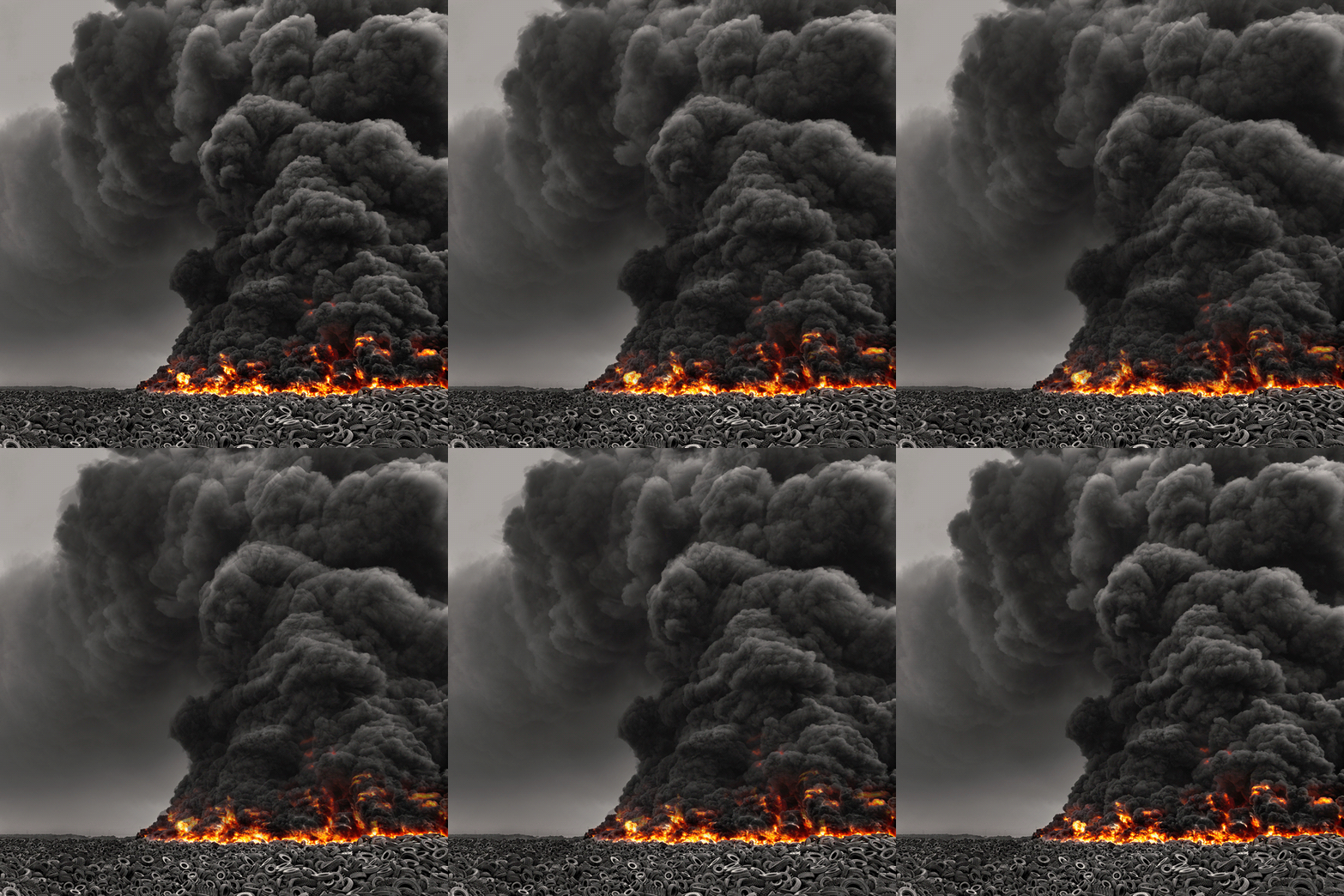
Your Project is a
It's in production. Nobody knows why it works.
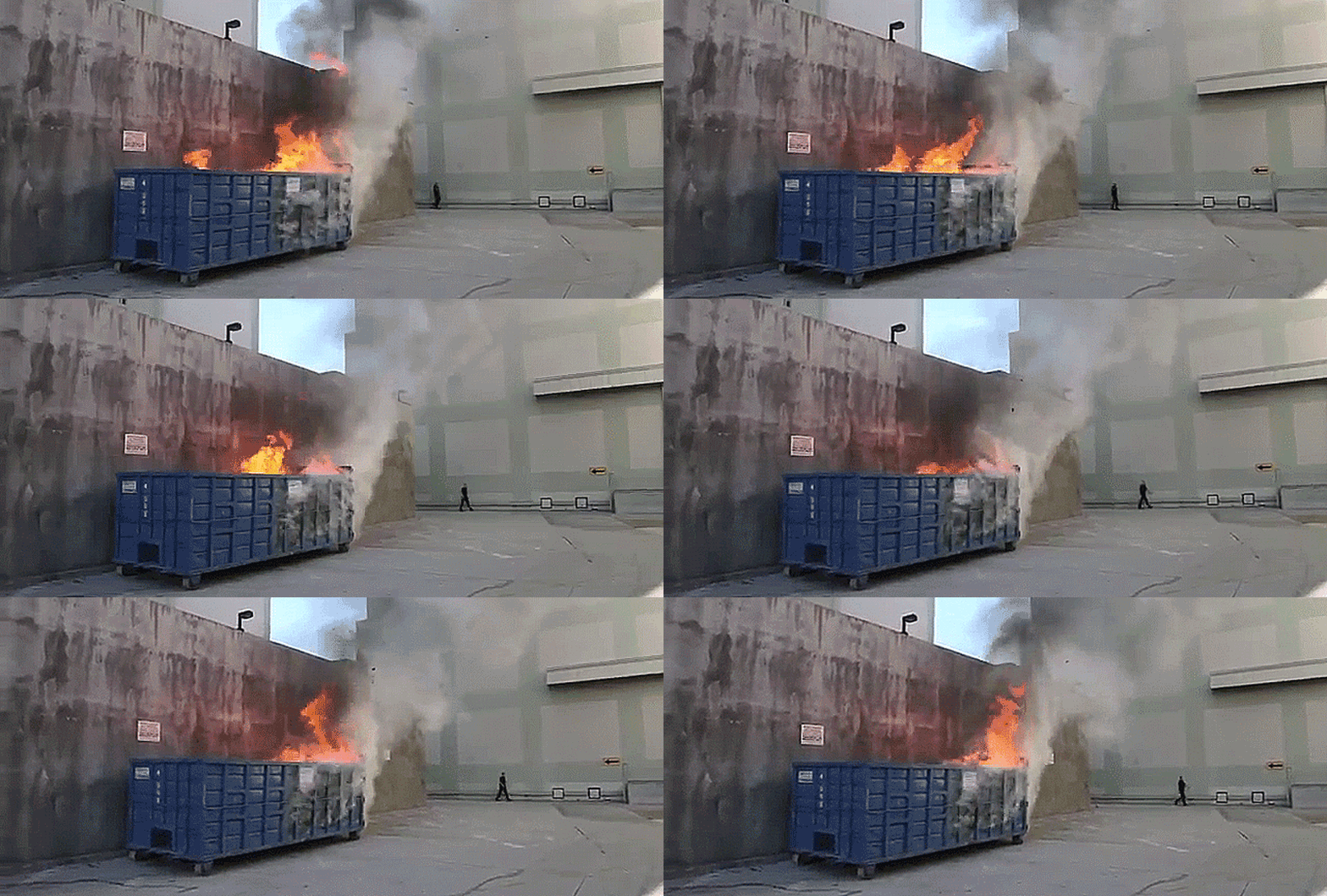
...fire.
Taxonomy of Fires
A tire fire and a dumpster fire are distinct categories. A tire fire is large, persistent, difficult to extinguish, and produces a toxic smoke column visible from a significant distance. It is infrastructure-scale. It has been burning for a while before anyone noticed. A dumpster fire is smaller, more immediate, more obviously wrong. You can see it from the parking lot. The dumpster fire is the project that visibly, publicly, obviously went wrong. The tire fire is the one that has been quietly burning for years while everyone pretended the smoke smell was normal.
This site is called tirefi.re and not dumpsterfi.re because the projects worth documenting are usually tire fires. The dumpster fire is dramatic but brief. Everyone learns from the dumpster fire. Nobody argues that the dumpster was fine, actually. The tire fire is the one that sustains. The tire fire is the one where people are still defending the decisions that caused it, years later, in architecture reviews.
What Elevates a Project to Dumpster Fire
Timeline is the first factor. A project that is three months late is behind schedule. A project that is three years late is a different conversation, one that involves examining the original estimates, the scope changes, the stakeholders who added requirements, and the several moments where someone could have called it and didn't. Scope is the second factor. A project with well-defined scope that slips is recoverable. A project with scope that expanded at every sprint review, with no one willing to say no to anyone with a budget, is a dumpster fire waiting for a catalyst.
The third factor is stakeholder expectations: specifically, the gap between what was promised and what is being delivered, and whether anyone in the chain has been honest about that gap. A project can be technically on fire while everyone in the status meeting is being told it is on track. The dumpster fire becomes visible the moment the gap can no longer be maintained — usually at a demo, or a deadline, or the moment someone senior asks a specific question and the answer is not available.
The ticket says the project is green. The project is on fire. These two facts coexist in the status dashboard and nobody has reconciled them because reconciling them would require someone to update the ticket to red, and updating the ticket to red requires explaining why it went red, and that conversation has been deferred since Q2.— The retrospective that should have happened sooner